


October in South Florida brings cooler evening breezes, pumpkin carving, outdoor gatherings, and the official kickoff of fall entertaining. But while homeowners across the city prepare for autumn festivities, local drains face a seasonal threat. We’re attempting at starting a trend called #Clogtober—(let’s see if it sticks or maybe it even already exists) for the entire month of October to help raise awareness about the preventable habits and seasonal shifts that cause catastrophic sewer and drain backups.
From historic Mediterranean Revival homes near Miracle Mile to modern estates along Old Cutler Road, autumn shifts bring unique challenges to your drainage system.
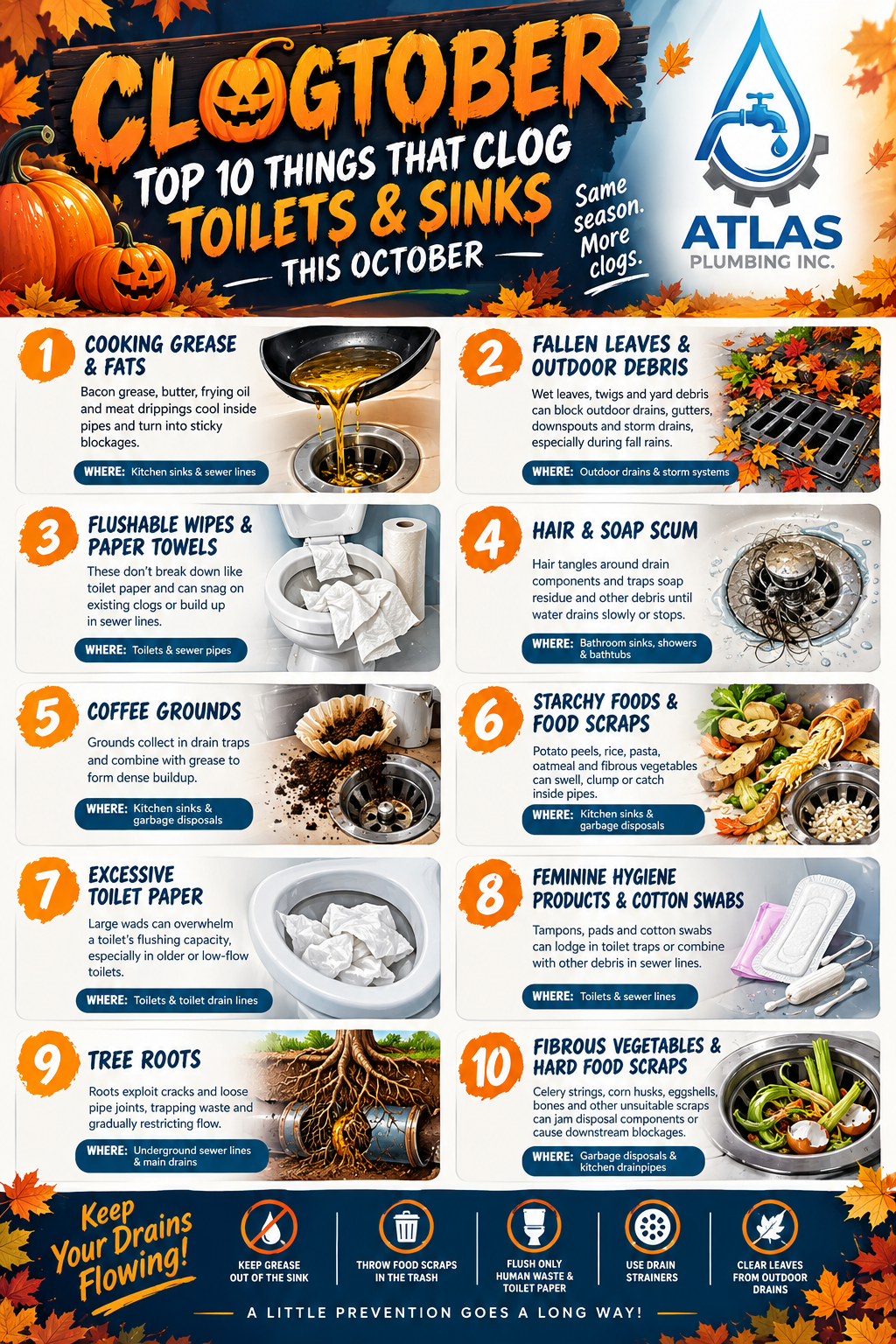
Below is your ultimate guide to the Top 10 Plumbing Clogging Culprits of October, why they happen, and how you can protect your pipes this season.
Why October Is Prime Season for Plumbing Blockages
When looking for reliable coral gables plumbing solutions, many residents are surprised to learn how heavily autumn habits impact their drain pipes. In South Florida, October marks a transition period:
-
Increased Kitchen Activity: Fall cooking, hearty soups, roasting, and holiday party preparation put double the workload on garbage disposals and kitchen sinks.
-
Aggressive Root Growth: As trees begin their autumn growth cycle, mature root systems actively hunt down moisture and condensation inside underground pipes.
-
Heavy Rainfall & Debris: Late-season tropical rains and shedding foliage wash yard debris straight into outdoor area drains and gutter downspouts.
Understanding these seasonal factors is the first step toward keeping your home’s plumbing flowing smoothly.
The Top 10 Fall Drain Cloggers
1. Congealed Cooking Fats, Oils, and Grease (FOG)
When warm oils and roasting fats are rinsed down the kitchen drain, they cool down as they travel into the underground pipe network. As the grease cools, it thickens into a waxy substance that coats the interior pipe walls. Over time, this layer acts like glue, catching food particles and eventually creating a total line blockage.
-
Pro Tip: Never pour grease or cooking oil down the sink. Scrape liquid fats into an old tin can, let them solidify, and dispose of them in the trash.
2. Expanding Food Scraps (Rice, Pasta, and Coffee Grounds)
Heartier fall meal prep leads to an influx of starch down the kitchen drain. Starchy foods like rice, pasta, oats, and potato peels act like sponges—they continue absorbing water and expanding inside your P-trap long after you’ve finished dishes. Combined with dense coffee grounds, they form a thick, paste-like clog.
-
Pro Tip: Scrape all remaining food scraps directly into your garbage or compost bin before rinsing dishes in the sink.
3. Pumpkin Pulp, Seeds, and Stringy Squash
Pumpkin carving is one of October’s favorite traditions, but pumpkin pulp is a garbage disposal’s worst nightmare. The stringy, fibrous strands wrap around disposal blades and stick instantly to drain line walls like papier-mâché, while tough seeds lodge tightly in plumbing bends.
-
Pro Tip: Keep pumpkin guts far away from the sink. Scoop pumpkin pulp directly into a trash bag or backyard compost pile.
4. “Flushable” Wipes and Personal Hygiene Products
Despite what product packaging claims, wet wipes, paper towels, facial tissues, and cotton products do not break down in water the way standard toilet paper does. When flushed, they remain intact, snagging on pipe joints, minor scale buildup, or tree root intrusions.
-
Pro Tip: Adopt a strict “Three Ps” rule for your toilets: only flush Paper, Poo, and Pee. Everything else belongs in the wastebasket.
5. Aggressive Autumn Tree Roots
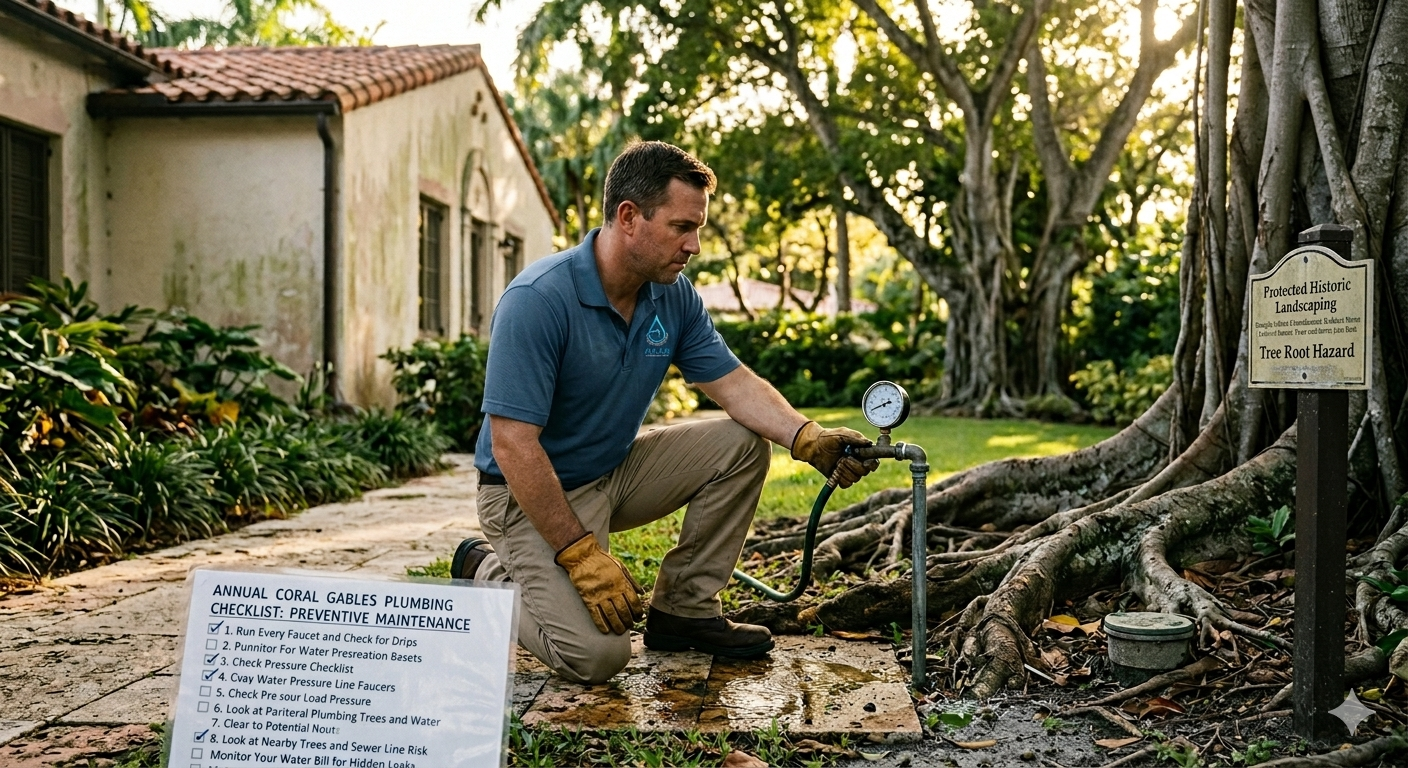
Coral Gables is famous for its breathtaking canopy of historic banyan trees, oaks, and palms. However, mature tree roots are constantly seeking moisture and nutrients. During autumn, root systems can infiltrate microscopic cracks or aging joints in clay, cast iron, or PVC sewer laterals. Once inside, root clusters catch toilet paper and debris, leading to severe main line sewer backups.
-
Pro Tip: If your toilets are gurgling or multiple drains are backed up simultaneously, hire experienced coral gables plumbers to perform a video camera sewer line inspection.
6. Heavy Hair Shedding and Fall Soap Scum
Seasonal shifts in temperature and routines often prompt longer, hotter showers. Hair naturally sheds during bathing and combines with sticky soap scum, body oils, and bath products, forming fibrous plugs in tub and shower drains.
-
Pro Tip: Install a mesh drain strainer in every shower and bathroom sink to catch loose hair before it enters the plumbing lines.
7. Outdoor Leaves and Storm Debris
October weather in South Florida brings falling leaves, palm fronds, and sudden rain showers. When yard drains, driveway grates, and gutter downspouts are clogged with organic debris, storm runoff cannot drain away properly, often backing up into outdoor drains or low-lying areas.
-
Pro Tip: Routinely sweep yard drains and clear roof gutters of fallen foliage and organic waste throughout the fall season.
8. Hard Water Mineral Scaling
Over months and years, naturally occurring minerals like calcium and magnesium coat the interior walls of your supply and drain pipes. This mineral scaling narrows the inner diameter of your plumbing, making it significantly easier for small food particles, grease, or hair to create a sudden, stubborn clog.
-
Pro Tip: Consider installing a whole-home water filtration or softening system to reduce mineral scaling and extend the lifespan of your fixtures and pipes.
9. Excess Toilet Paper Usage
With fall gatherings and family visits in full swing, bathrooms handle higher traffic volume. Using excessive amounts of thick, multi-ply toilet paper in a single flush can easily overpower older toilet traps or low-flow plumbing systems.
-
Pro Tip: Use toilet paper in reasonable quantities, or perform a dual flush for heavier usage to keep waste moving smoothly down the drain line.
10. Crafting and Decorating Waste
Fall crafting, costume making, and seasonal decorating often involve glitter, craft paint, hot glue remnants, and small plastic packaging. Washing these synthetic materials down bathroom or utility sinks introduces non-biodegradable solids that catch on interior pipe roughness.
-
Pro Tip: Dispose of craft water, paint residue, glitter, and glue waste in the trash rather than rinsing them down indoor sink drains.
Special Plumbing Considerations for Coral Gables Homes
Maintaining a home in Coral Gables requires specialized attention. Many properties in historic neighborhoods feature original cast iron drain pipes or clay sewer lines. Over time, these materials are particularly vulnerable to interior corrosion, bottom-channel channeling, and root intrusion from iconic neighborhood trees.
When faced with recurring slow drains or unexpected backups, working with a licensed plumber in coral gables who understands local building codes, historic home infrastructure, and underground soil conditions makes all the difference. Modern trenchless pipe repair, hydro-jetting, and camera inspections allow local specialists to diagnose and resolve drain issues without destroying historic landscaping or hardscaping.
Keep Your Drains Flowing Free This October
Don’t let a preventable drain blockage turn your fall celebrations into a costly plumbing emergency. By following these simple preventative steps and staying mindful of what goes down your sinks and toilets during #Clogtober, you can keep your home’s plumbing system operating at peak performance all season long.
Need Professional Drain Service in Coral Gables?
If you’re dealing with slow drains, gurgling toilets, or an unexpected line backup, trust the local experts who know South Florida and Coral Gables plumbing inside and out.
Contact Atlas Plumbing Inc. today!
-
📞 Call Us: (305) 301-7274
-
🌐 Schedule Service Online: CLICK HERE to schedule service today!
-
🛠️ Expert Drain Cleaning, Camera Inspections & Emergency Plumbing Services

Leave a Reply